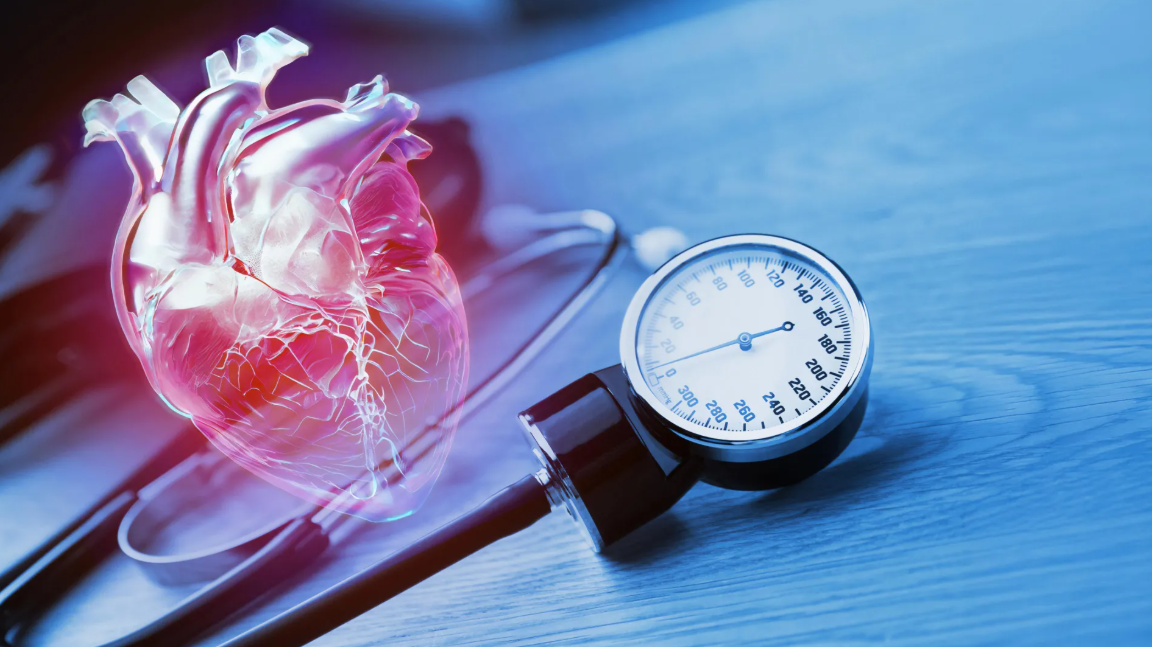

You may wonder if you need medication for high blood pressure. Lifestyle adjustments are essential for high blood pressure treatment. A healthy lifestyle may reduce or eliminate the need for medication to control blood pressure.
Here are 6 lifestyle adjustments to lower and maintain blood pressure.
- Lose weight and watch your waistline
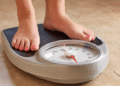
Weight raises blood pressure. Overweight can induce sleep apnea, which disrupts breathing. Sleep apnea raised blood pressure.
One of the finest blood pressure treatments is weight loss. Overweight or obese people can lower their blood pressure by decreasing even a little weight. Millimeters of mercury measure blood pressure. Weight loss can lower blood pressure by 1 mm Hg every kilogram (2.2 pounds).
- Regularly exercise
Regular aerobic exercise lowers hypertension by 5–8 mm Hg. Keep exercising to avoid blood pressure spikes. At least 30 minutes of moderate exercise daily is recommended.
Exercise can also prevent modestly increased blood pressure from becoming hypertension. Hypertensives can lower their blood pressure with frequent exercise.
Fitness activities including walking, jogging, cycling, swimming, and dancing can reduce blood pressure. High-intensity interval training is also beneficial. This exercise alternates hard bursts with milder action.
Strength-training lowers blood pressure. Try strength training two days a week. Consult a doctor about an exercise program.
- Healthy eating
Whole grains, fruits, vegetables, low-fat dairy, and low saturated fat and cholesterol can lower high blood pressure by 11 mm Hg. DASH and Mediterranean diets can lower blood pressure.
Dietary potassium reduces the blood pressure effects of table salt and sodium. To impart saltiness, food manufacturers add sodium to processed meals. Aim for 3,500–5,000 mg of potassium daily. Blood pressure may drop 4–5 mm Hg. Consult your doctor about potassium intake.
- Eat less salt and sodium.
Adding less sodium to the diet helps improve heart and blood pressure. Sodium affects blood pressure differently in different groups. Sodium should not exceed 2,300 mg per day. Most adults should limit sodium to 1,500 mg or less per day. That may decrease hypertension by 5–6 mm Hg.
- Give up smoking
Blood pressure rises with smoking. Quitting smoking lowers BP. It can also reduce heart disease risk and improve health, possibly extending life.
- Good night's sleep
Sleeping less than seven hours a night for weeks might cause hypertension. Sleep disorders include sleep apnea, restless leg syndrome, and insomnia.
Adults should sleep 7–9 hours per night. Tell your doctor if you have difficulties sleeping. Diagnose and treat the problem to enhance sleep. Follow these simple steps for better sleep if you don't have sleep apnea or RLS.