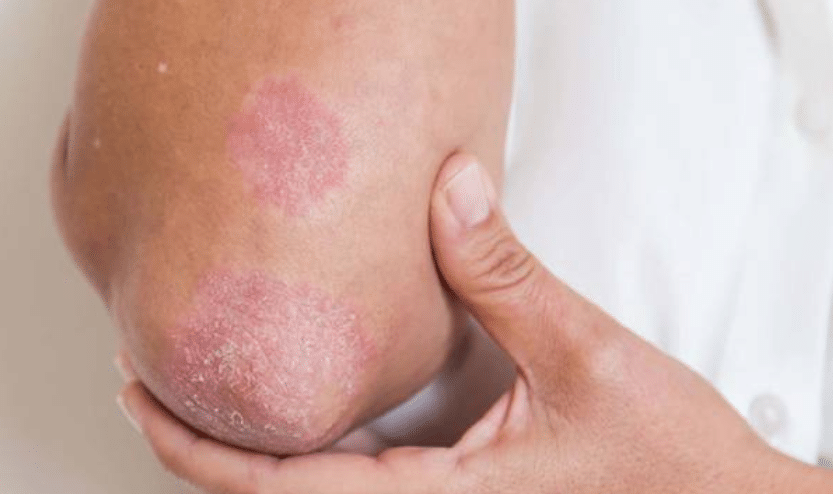
Fungal Rash, Skin Fungus Treatment – A red, itchy, scaly rash might look unattractive and drive you insane. However, most fungal infections aren't dangerous and may be treated promptly. If you often get fungal infections, ask your doctor how to prevent them.

What is skin fungus?
Fungi are tiny living things, like mold or mildew. We have fungi in the air, water, and on our bodies. Around 50% of fungi are harmful. A nasty fungus on your skin can cause an infection. A rash or itching may occur.
Who gets fungal rash more?
A fungal rash affects anyone. Most infections are superficial skin and nail infections, affecting 20–25% of the world's population. For instance, healthy people can get athlete's foot. Any of the following may increase your risk of a skin rash:
- After chemotherapy, immunosuppressant medicines, or an immune-compromising illness, your immune system may be weakened.
- Take antibiotics long-term or in large doses.
- Being fat.
- Have diabetes.
- Try another skin care product.
- Infant diaper rashes cause incontinence.
- Sweat plenty.
- Are awaiting.
Where does a fungal rash appear?
The rash can cover any bodily part, including nails. It occurs more often in skin folds like the crotch, buttocks, and thighs.
What types of skin rashes exist?
Tinea is a fungal skin disease. Types of fungal infections include:
- Fungal infections like athlete's foot (tinea pedis) are most common. People walking barefoot in public restrooms or locker rooms spread it quickly. Skin between your toes turns white and peels. The bottoms of your feet can have athlete's foot.
- Fungal nail infection, onychomycosis, is frequent. Yellow, thick, and easily broken toenails are prevalent.
- Jock itch (tinea cruris): Men are more likely to get this groin rash.
- Kids get scalp ringworm (tinea capitis). It causes hair loss, but with proper care, it grows back.
- Doctors call a rash that doesn't fall into any other category ringworm (tinea corporis). A ring-shaped rash is typical.
What causes a fungal rash?
The rash might occur when your skin touches a harmful fungus. If you borrowed shoes from someone with athlete's foot, the fungus could make you sick. Rashes are often transferred by touch between people or animals.
What are fungal rash symptoms?
A red, itchy fungal rash is typical. You can have red, swollen pimples or scaly, peeling skin.
How do doctors diagnose fungal rashes?
A doctor may be able to diagnose a fungal rash by looking at it and inquiring about symptoms. Scale scrapings under a microscope (KOH preparation) often confirm the diagnosis. A fungal culture test may be needed to determine your fungus and the best treatment.
A fungal culture test may require a skin biopsy or aspiration. A severe infection may require a blood test.
Can a fungal rash be treated at home?
Your doctor must see the rash, especially if it's new. Your doctor can diagnose and recommend treatment. Steroid-containing anti-itch creams may worsen fungal rashes and make treatment tougher.
How long will my rash last?
People's treatment response times differ. A few days to a week usually cures it. But the fungal infection may return. Request advice from your doctor to prevent infection.
When to see a doctor for a rash?
Not all rashes are hazardous. Consult your doctor if your skin changes. Your doctor may recommend a treatment plan to improve your health and identify any issues.